

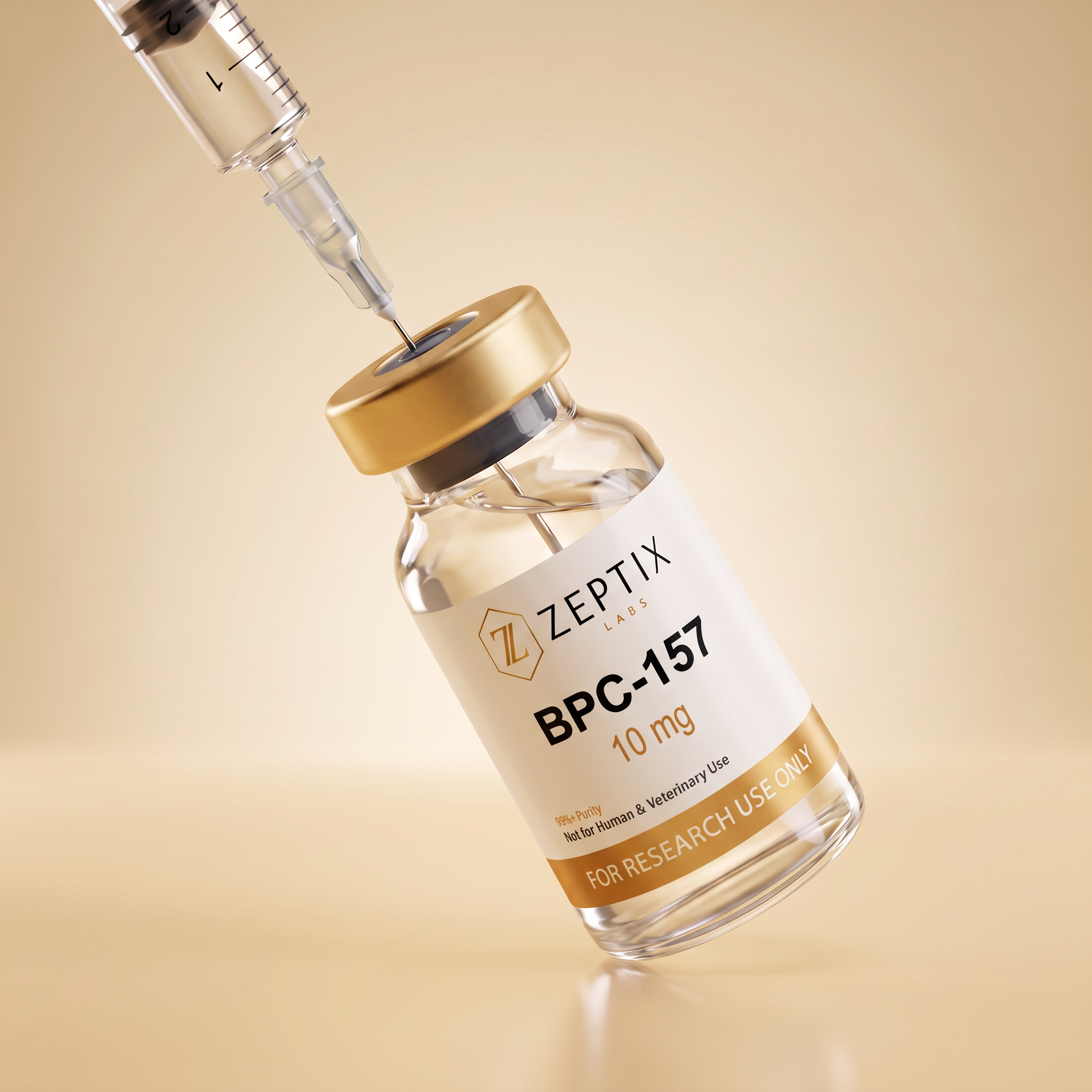
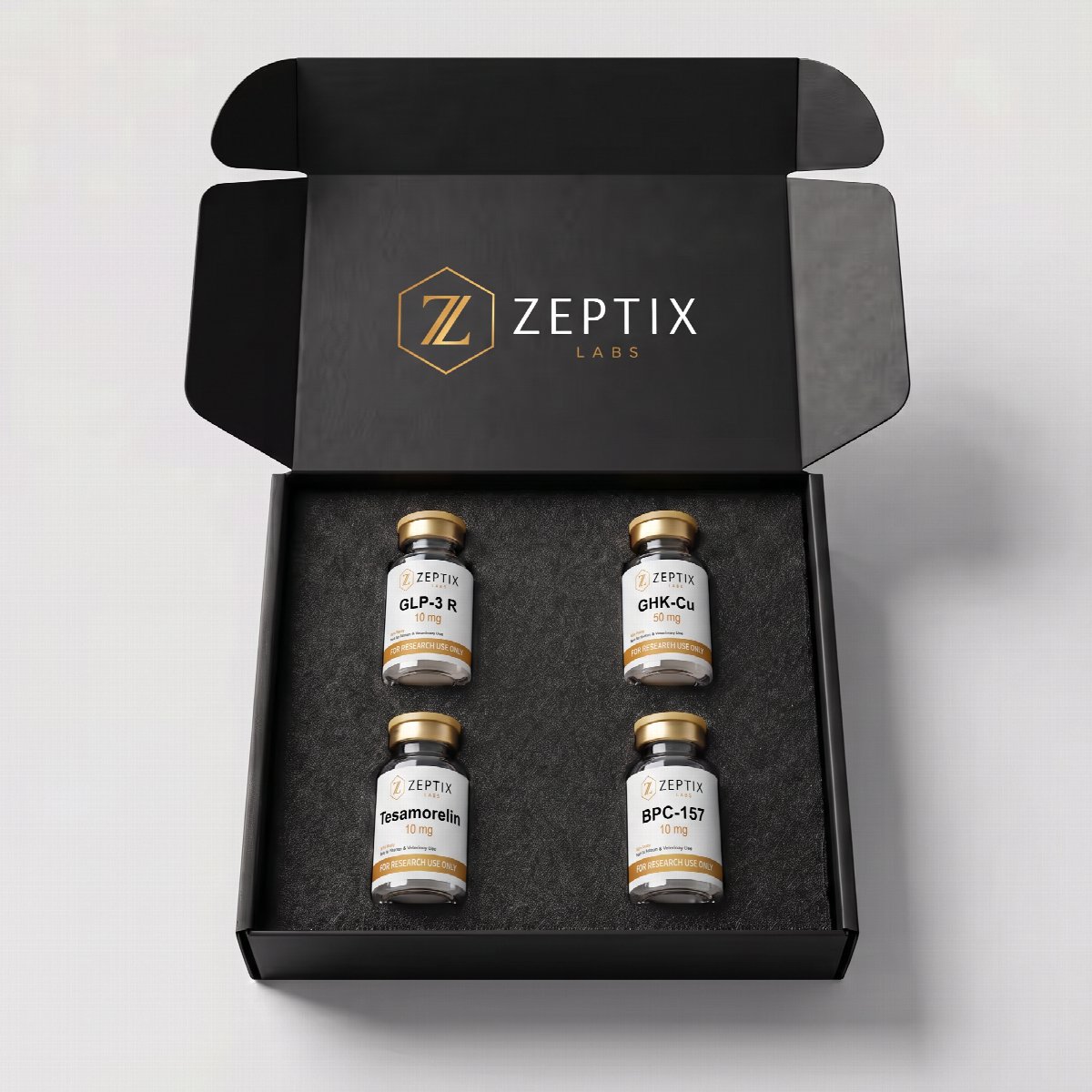
BPC-157
Original price was: $69.99.$59.99Current price is: $59.99.
BPC-157 research peptide supplied for qualified laboratory use, analytical reference work, and preclinical research settings.
- Tissue Remodeling Models: Supports research into tendon, ligament, muscle-fiber, and extracellular-matrix response pathways.
- Gut Barrier Integrity: Fits laboratory models examining gastric lining, intestinal permeability, and inflammatory-response signaling.
- Neuroinflammation Context: Used in research exploring oxidative stress, inflammatory signaling, and nervous-system protection pathways.




- Fast shippingSame-day dispatch
- Third-party testedU.S. accredited labs
- 99%+ purityHPLC verified
Certificate of Analysis
Accumark Labs - HPLC-UV
- Purity & ID
- Net content
- Endotoxins
- Sterility
- Fentanyl screen
Specifications and results
- Purity & IDSpec: Identity conforms, purity ≥ 98%
- BPC-157 conforms, 99.69%
- Net contentSpec: As measured (10.0 mg declared)
- 9.56 mg
- EndotoxinsSpec: < 350 EU/vial (USP <85> LAL)
- < LOQ (25 EU/vial)
- SterilitySpec: Not detected (PCR)
- Not detected
- Fentanyl screenSpec: Not detected (200 ng/mL strip)
- Not detected
Molecular Profile
- CAS Number
- 137525-51-0
- Mol. Weight
- 1419.5 g/mol
- Formula
- C62H98N16O22
Storage Requirements
- Lyophilized
- -20 C / 24 months
- Reconstituted
- 2-8 C / 30 days
- Working Solution
- 2-8 C / 7 days
- Form
- White powder
Learn more about BPC-157
You may also like
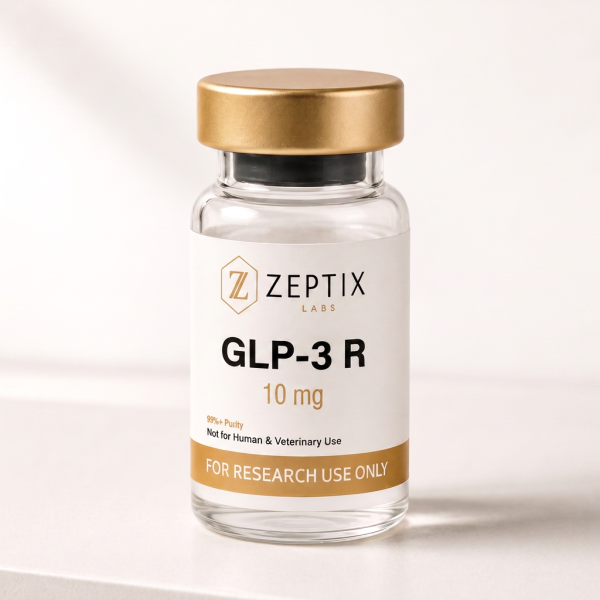
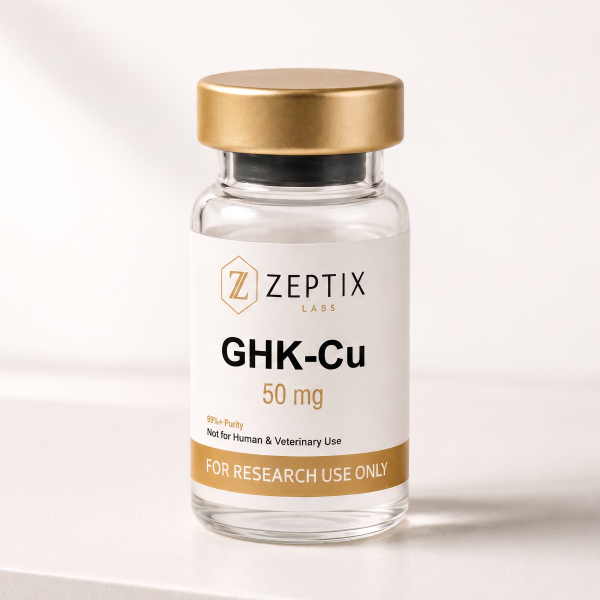
Frequently asked questions
Testing, shipping and storage for BPC-157.
Is BPC-157 third-party tested?
Yes. Every BPC-157 lot undergoes independent third-party analytical testing to verify quality and consistency. The Certificate of Analysis for each batch is available in our COA Library.
How fast does BPC-157 ship?
Orders placed before 6 PM EST ship the same day from our U.S. fulfillment center and arrive in 2 business days via expedited shipping. Shipping is free on orders over $200.
How should BPC-157 be stored?
Keep sealed vials in a cool, dry environment away from direct light. For long-term storage of lyophilized research materials, refrigeration or freezing is commonly used in laboratory settings. Refer to the batch documentation for lot-specific details.