
 Fundamentals
What Are Research Peptides?
A plain-language overview of peptide structure, laboratory use, and why documentation matters when sourcing research materials.
Read article
Zeptix Labs sells research peptides exclusively to qualified researchers and laboratories for in vitro and laboratory use. Please confirm before continuing.
By proceeding you affirm the statements above are true. Products are not for human or veterinary use, not for use in diagnostic procedures, and have not been evaluated by the U.S. Food and Drug Administration. Full disclaimer.
Not a researcher? Exit
Original laboratory primers on research peptides, documentation, and the compounds in the Zeptix Labs catalog. For qualified research use only.
Fundamentals
A plain-language overview of peptide structure, laboratory use, and why documentation matters when sourcing research materials.
Read article Quality
The four fields that matter on a peptide COA: identity, purity, method, and lot. How researchers use them before a protocol starts.
Read article Fundamentals
How lyophilized research peptides are typically stored, why moisture and light matter, and how BAC water fits a reconstitution workflow.
Read article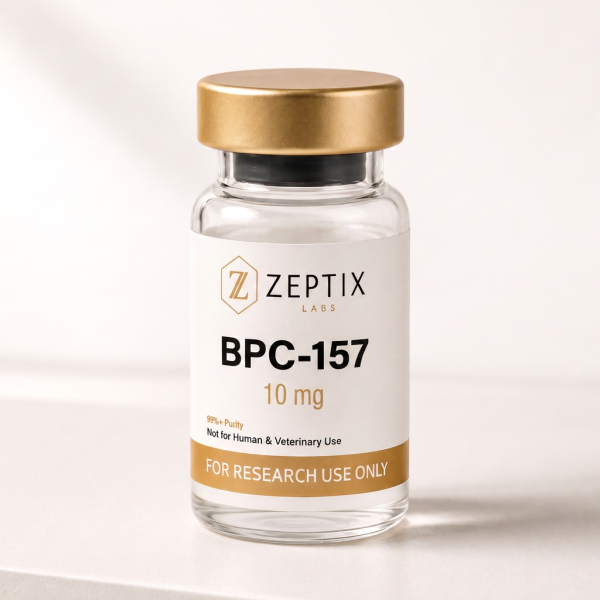 Recovery
BPC-157 is a synthetic pentadecapeptide used in laboratory models of tissue-response, gastric, and signaling research.
Read article
Recovery
What lab and animal studies report about BPC-157, and why none of it is a use case for people.
Read article
Recovery
The experimental questions researchers ask about BPC-157: signaling, angiogenesis markers, and why mechanism language is not a use instruction.
Read article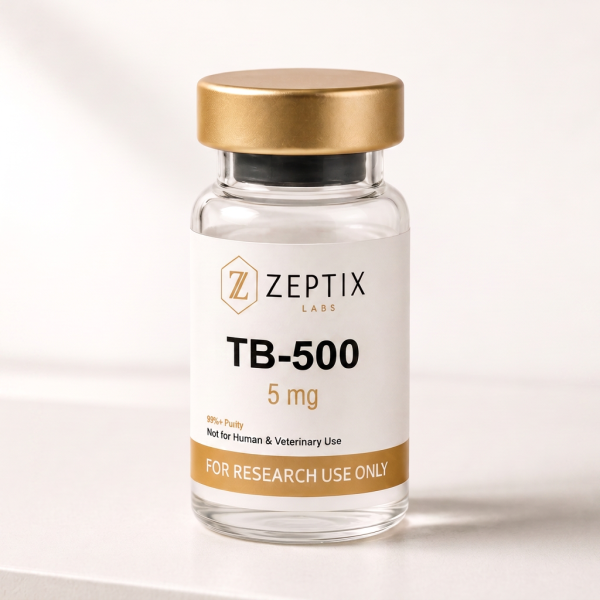 Recovery
TB-500 is a synthetic peptide associated with thymosin beta-4 research, used in cell-migration and actin-regulation models.
Read article
Recovery
Mechanism language for TB-500 in the lab: actin biology, migration assays, and why a storefront will not specify a protocol.
Read article
Recovery
What thymosin beta-4 / TB-500 research models measure, and why that is not a consumer benefit list.
Read article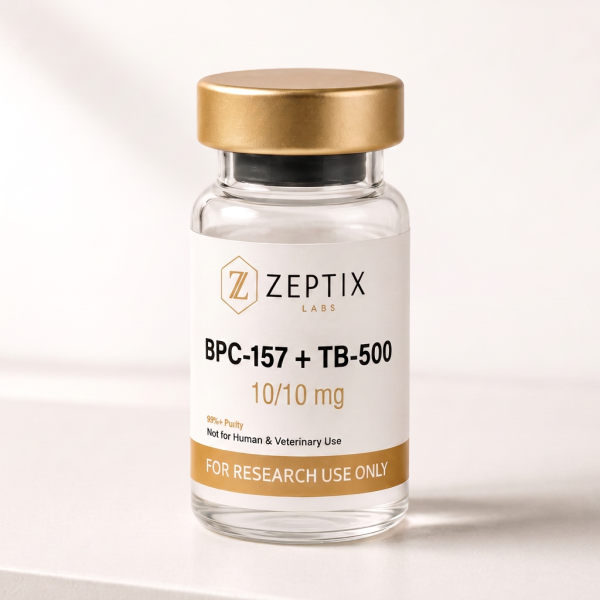 Recovery
How laboratories distinguish BPC-157 and TB-500: different parent sequences, overlapping tissue-response themes, and when a blend is a different experiment.
Read article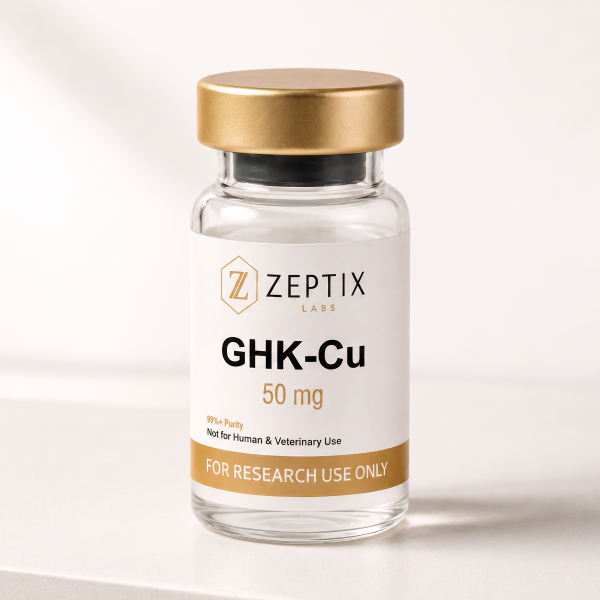 Beauty & Skin
GHK-Cu is a copper-binding tripeptide used in extracellular-matrix, copper-peptide, and cell-signaling research.
Read article
Beauty & Skin
Copper-peptide mechanism language: the GHK–Cu(II) complex and why the metal is part of the experiment.
Read article
Beauty & Skin
What copper-peptide papers report about GHK-Cu in matrix and gene-expression models.
Read article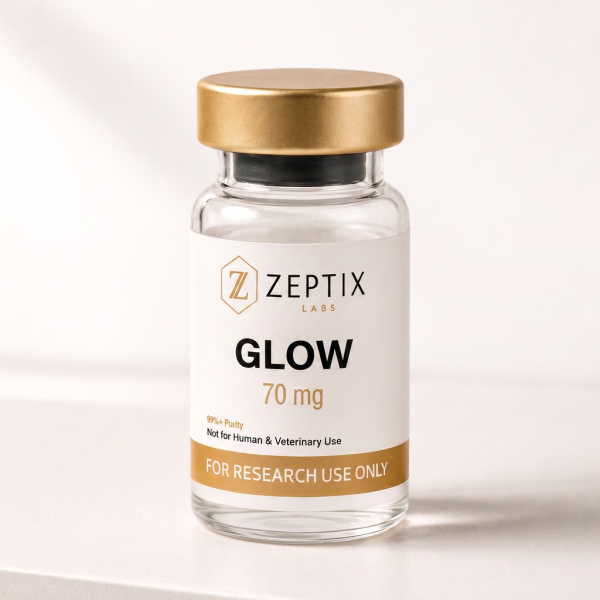 Beauty & Skin
GLOW is a Zeptix Labs research blend of GHK-Cu, BPC-157, and TB-500 for multi-peptide laboratory models.
Read article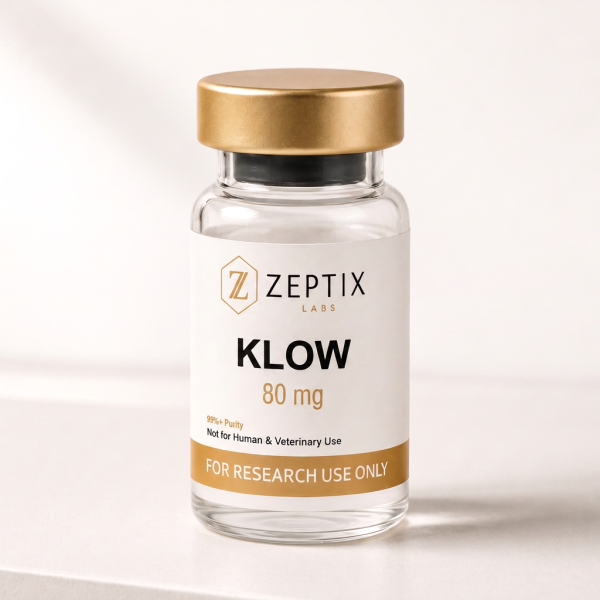 Beauty & Skin
KLOW is a four-peptide research blend: KPV, GHK-Cu, BPC-157, and TB-500, supplied for qualified laboratory work.
Read article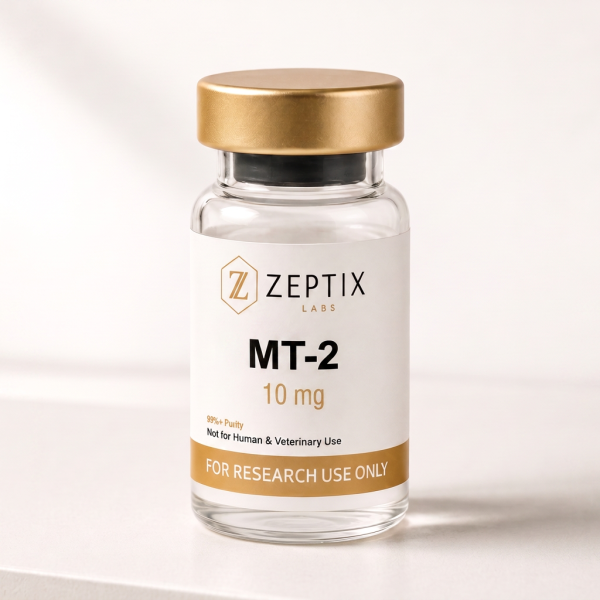 Beauty & Skin
MT-2 is a synthetic melanocortin-receptor research peptide used in pigmentation-pathway and energy-balance signaling models.
Read article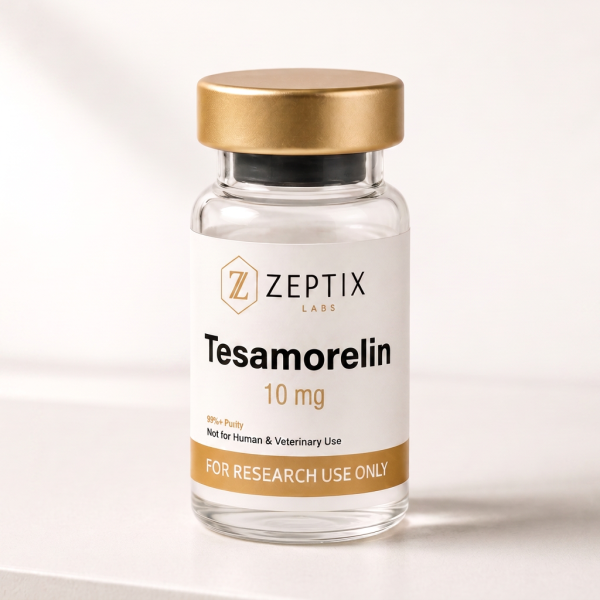 Metabolic
Tesamorelin is a stabilized GHRH analog used in laboratory models of growth-hormone-axis and metabolic signaling.
Read article
Metabolic
What GHRH-analog research says about tesamorelin, and how that differs from a research-grade catalog vial.
Read article
Metabolic
Tesamorelin acts at the GHRH receptor in research models. Here's what that means for experimental design, and what it doesn't.
Read article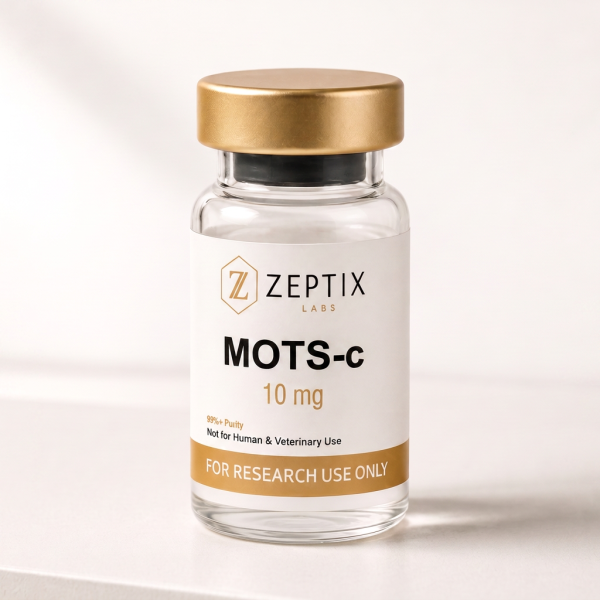 Metabolic
MOTS-c is a mitochondria-derived peptide used in metabolic and cellular-energy research models.
Read article
Metabolic
Mechanism notes for MOTS-c: a mitochondrial ORF peptide used in energy-sensing research.
Read article
Metabolic
What mitochondria-derived peptide papers report about MOTS-c in metabolic models.
Read article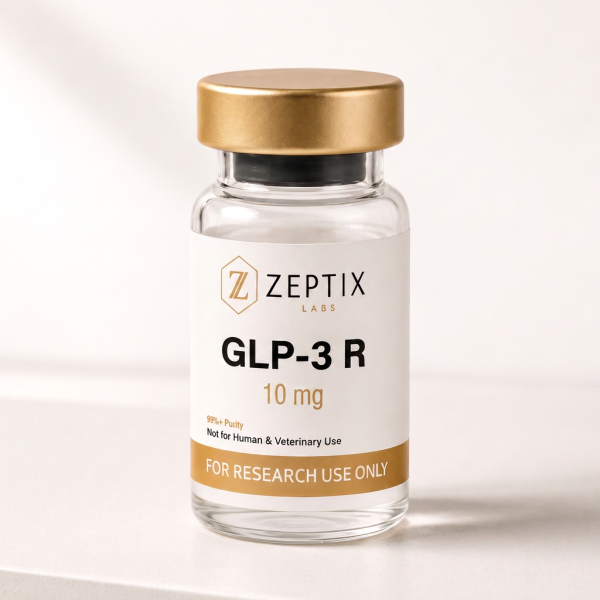 Metabolic
GLP-3 R (Reta) is a Zeptix Labs research compound for multi-receptor incretin and metabolic pathway models.
Read article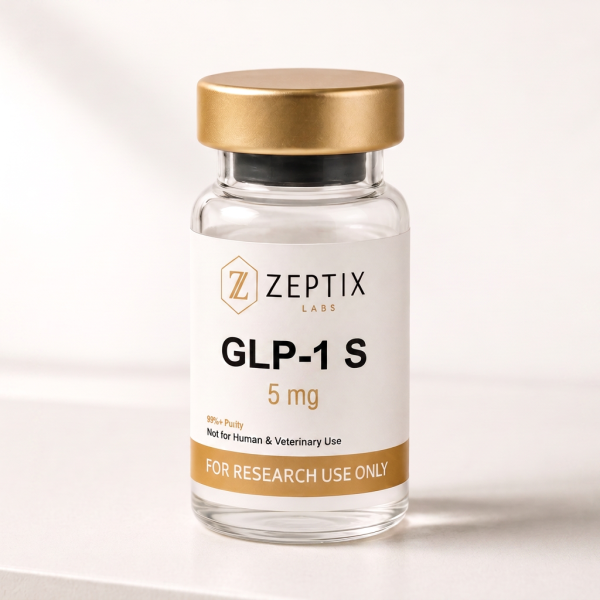 Metabolic
GLP-1 S is a research compound for GLP-1 receptor and incretin-pathway laboratory models.
Read article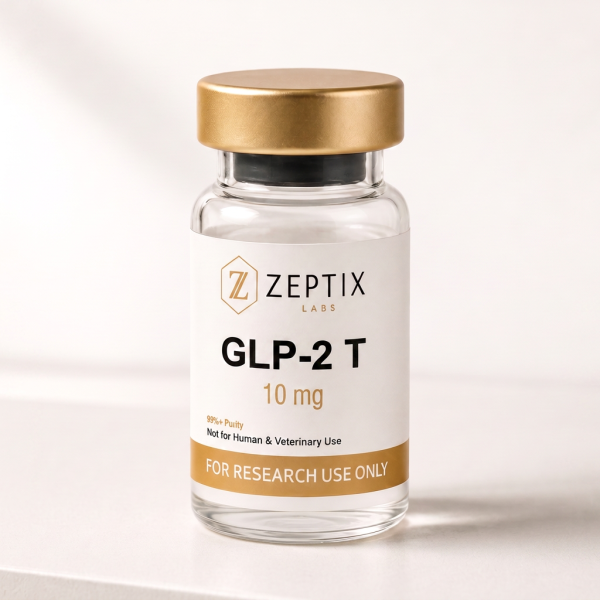 Metabolic
GLP-2 T is a Zeptix research compound used in incretin-family and gut-pathway laboratory models.
Read article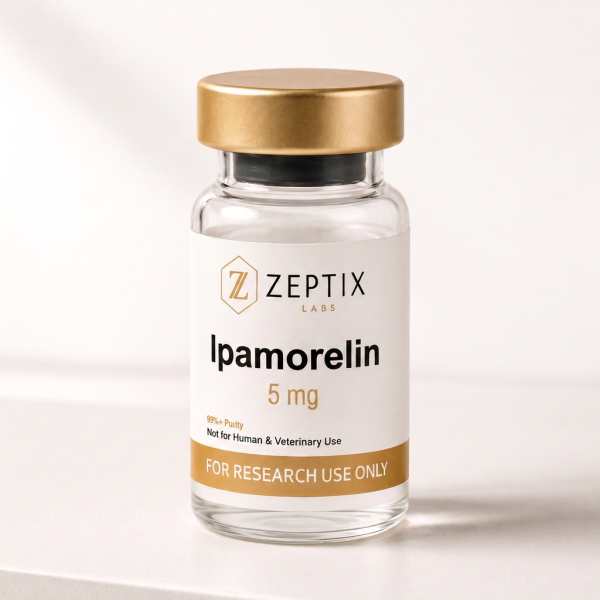 Hormone
Ipamorelin is a selective growth-hormone secretagogue used in GHS-R and GH-axis laboratory research.
Read article
Hormone
Ipamorelin at the ghrelin receptor: a different door from GHRH analogs such as tesamorelin or CJC-1295.
Read article
Hormone
What ghrelin-receptor secretagogue papers report, and why selectivity is an experimental claim.
Read article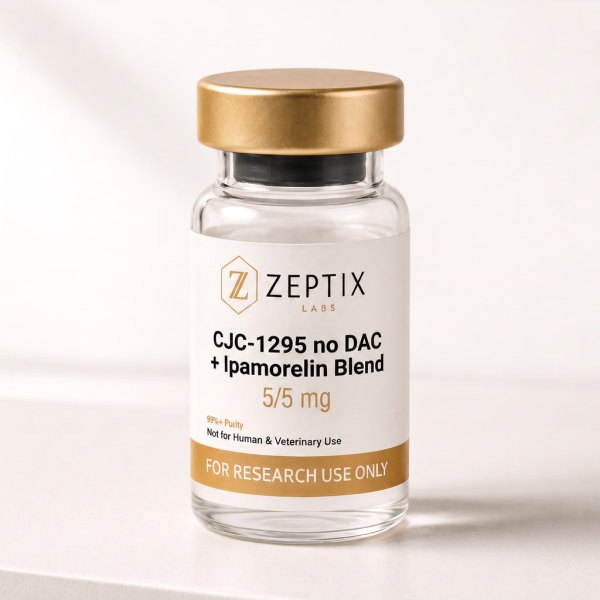 Hormone
Why laboratories pair a short-acting GHRH analog with ipamorelin, and how the Zeptix blend differs from each single peptide.
Read article
Hormone
CJC-1295 as a GHRH-receptor research analog: what “mechanism of action” means in a lab notebook.
Read article
Hormone
What GHRH-analog papers report about CJC-1295, and how the Zeptix no-DAC blend differs from a standalone DAC analog.
Read article
Hormone
Why Drug Affinity Complex chemistry shows up in CJC-1295 papers, and why the Zeptix blend is the no-DAC form.
Read article
Hormone
How to talk about safety for a GHRH analog in a research setting. These are published model notes, not a consumer warning label.
Read article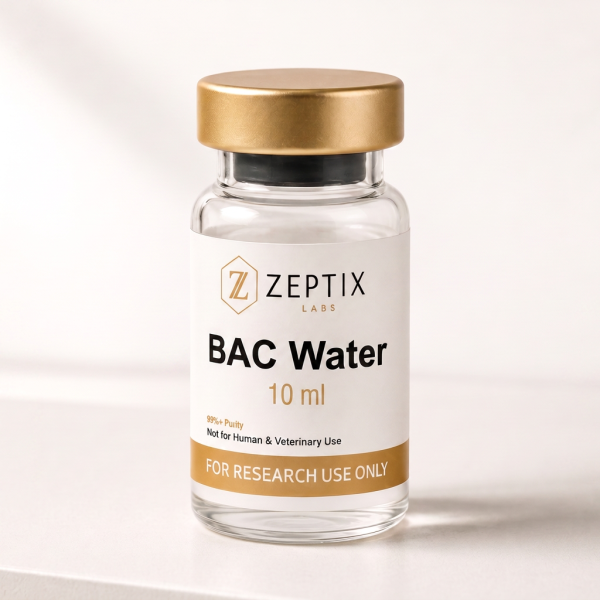 Supplies
Bacteriostatic water is a laboratory reagent with benzyl alcohol, used in some peptide reconstitution workflows. It is not a peptide.
Read article